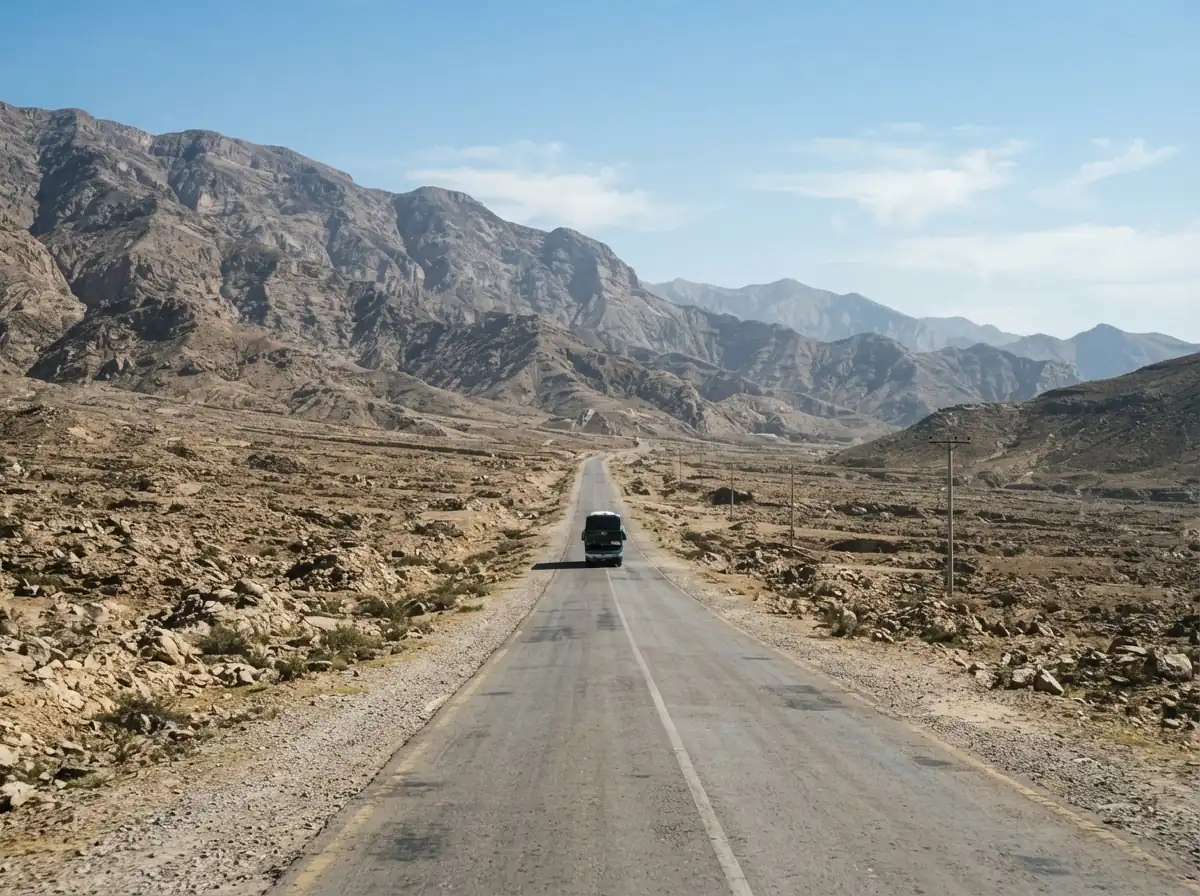
Coming from Balochistan for an artificial leg
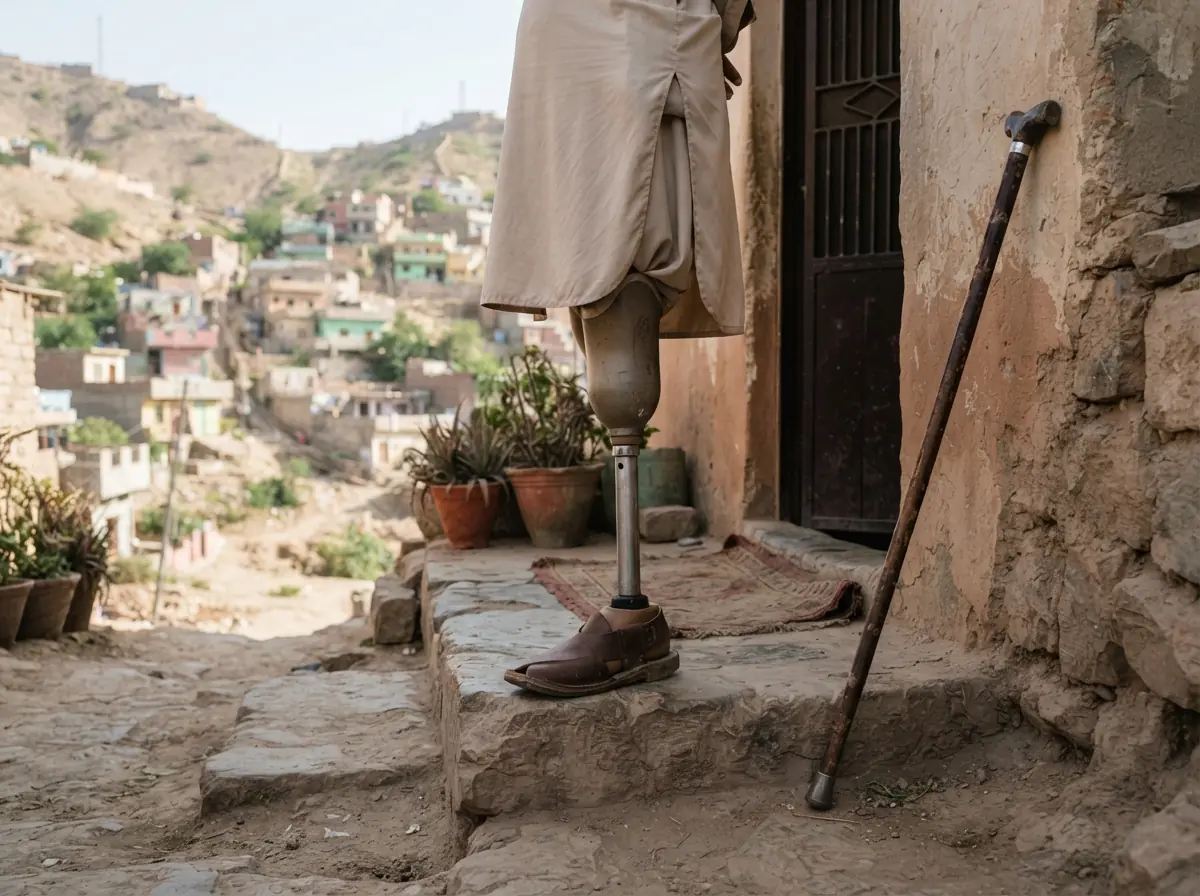
For much of Balochistan, Karachi is the nearest city where a custom artificial leg can be made. The roads are long and the journey is expensive. Everything on this page is aimed at one thing: that you make it once, and go home walking.
Where can patients from Balochistan get an artificial leg?
Many patients from Balochistan travel to Karachi for a custom artificial leg. At our Gulshan-e-Iqbal and DHA clinics, the case is assessed on WhatsApp first, so that the cast is taken on the day of arrival and the whole fitting is completed in one stay of about seven to fourteen days. Follow up then continues by phone and video.
Approximate distances and travel times to Karachi
| From | Approximate distance | Approximate time by road | Note |
|---|---|---|---|
| Hub, Gadani | 30 to 50 km | About 1 hour | Day visits are easy |
| Uthal, Bela, Lasbela | 120 to 190 km | 2.5 to 4 hours | Day visits are possible, a short stay is easier |
| Ormara, Pasni | 360 to 520 km | 5 to 7 hours by the coastal highway | A grouped stay |
| Khuzdar, Wadh | 370 to 400 km | 6 to 7 hours | A grouped stay |
| Kalat, Surab, Mastung | 520 to 640 km | 8 to 10 hours | A grouped stay |
| Gwadar | 630 km | 8 to 9 hours by the coastal highway | A grouped stay. Flights operate on some days. |
| Quetta, Pishin | 690 km and more | 10 to 12 hours, or about 1.5 hours by air | A grouped stay |
| Turbat, Kech, Panjgur | 700 km and more | 10 to 12 hours | A grouped stay. Flights operate on some days. |
| Zhob, Loralai, Chaman, Dera Bugti, Sibi | 800 km and more | 12 hours and more | A grouped stay, ideally by air or train from Quetta |
Distances and times are approximate. Road conditions, closures and flight schedules change, so please check before travelling. Travel by day where you can.
For a twelve hour journey, everything must happen in one visit
A family from Quetta or Turbat cannot come four times. So we reverse the usual order: the thinking is done before you leave home, and the workshop is reserved for the days you are here.
- Before you travel, we assess photos and video, confirm the stump is ready, agree the type of leg and the price range, and block workshop time.
- On arrival day, examination and cast. No waiting for a later appointment.
- During your stay, the test socket, alignment and delivery follow at the shortest safe intervals, with training every day.
- Before you leave, the family member is taught skin care, sock management and the home exercises, and leaves with spare socks.
- We will not compress it unsafely. A test socket is never skipped to save a day. A leg that does not fit is worth nothing seven hundred kilometres away.
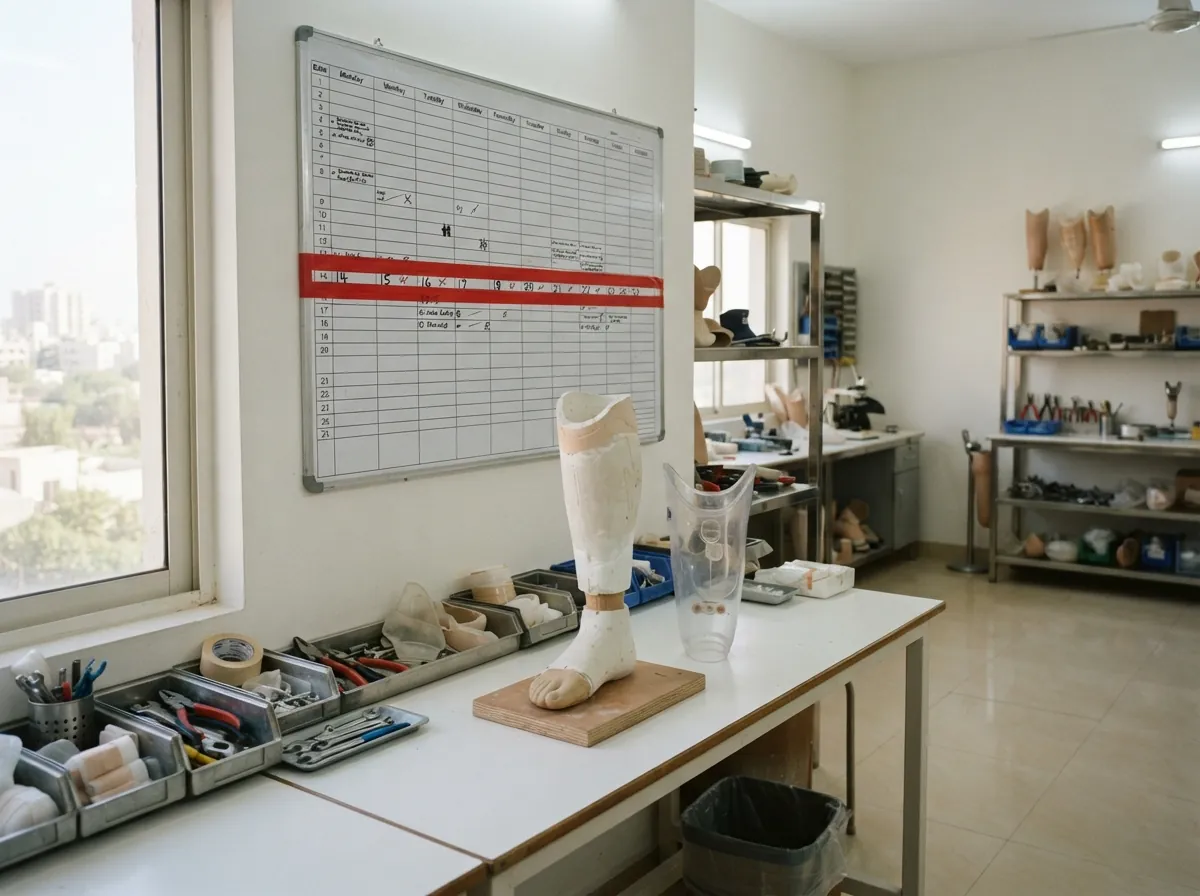
A typical ten day plan
- Two weeks before
Remote assessment
Photos, video, X rays and a voice note describing the injury. We confirm the stump is ready and reserve the workshop for your dates.
- Day 0
Arrive and rest
Reach Karachi the evening before. Keep the bandage on overnight so the swelling from the journey settles.
- Day 1
Examination and cast
Full assessment, written quotation, and the cast or scan, all in one morning.
- Day 3 to 4
Test socket
Fitted, read and corrected. A second test socket on day 5 or 6 for above knee and complex stumps.
- Day 6 to 8
Alignment and walking
The leg is assembled and tuned as you walk. Training sessions begin and continue daily.
- Day 9 to 10
Delivery and teaching
Final adjustments, the home programme, spare socks, and a last check of the skin after a full day of wear.
- Day 11 to 14
Above knee and complex cases
Extra days for knee training, stairs and a final socket adjustment before the long journey home.
Road accidents, blast and mine injuries
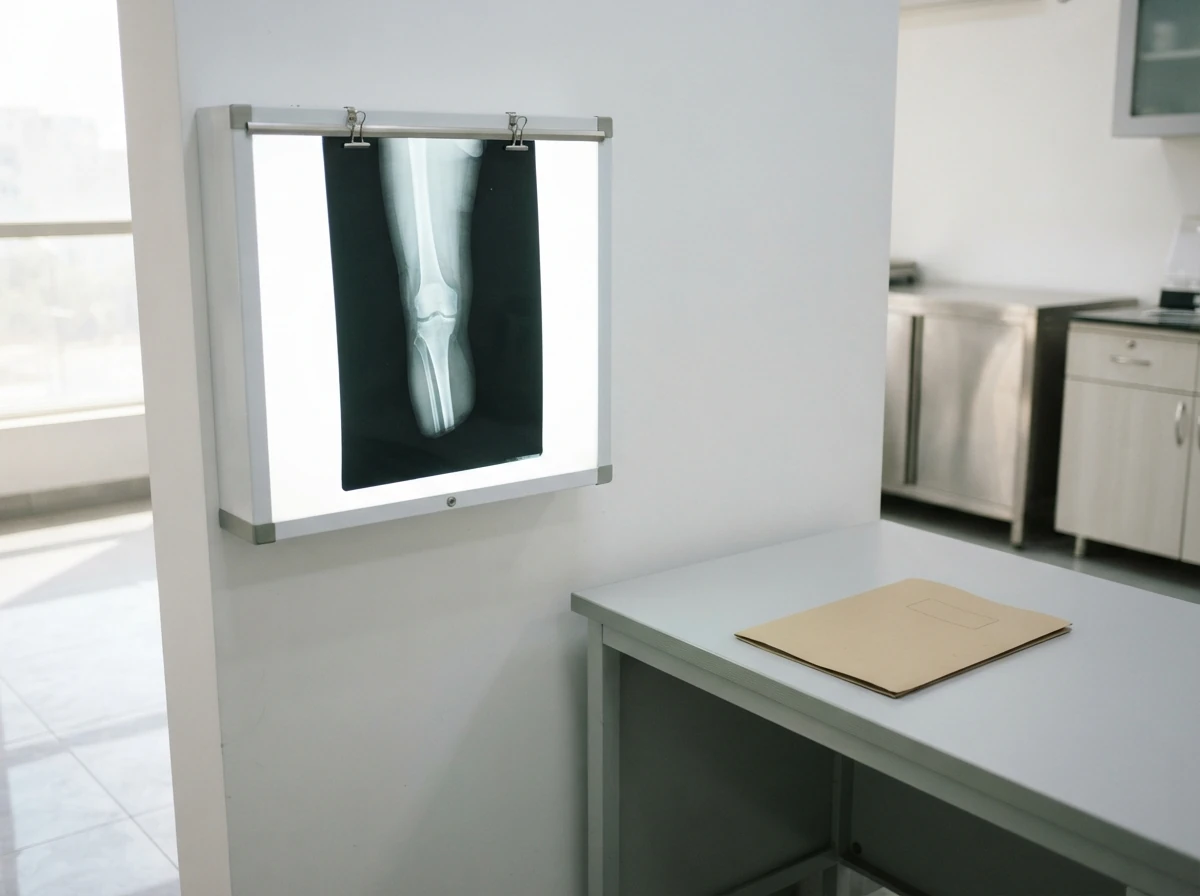
A large share of the amputations we see from Balochistan follow road accidents on the long highways, and some follow blast or mine injuries. These are usually young, otherwise healthy people, and they do very well with a leg. Their stumps, though, are often not simple.
- Scars and skin grafts need a soft liner and a socket shaped to avoid rubbing them.
- Irregular bone ends and fragments from emergency surgery must be relieved in the socket. Bring every X ray you have.
- Other injuries on the same side, such as a healed thigh fracture or a stiff knee, change the design.
- Injuries to a hand or an eye affect which suspension the patient can manage alone.
- Delayed fitting. Many arrive a year or more after the injury, with stiff joints from sitting. Start the stretches we send you before you travel.
Language, companions and where to stay
Language
Fitting depends on the patient telling us exactly what they feel. If the patient is more comfortable in Balochi, Brahui or Pashto than in Urdu, please bring a family member who can interpret accurately.
Women patients
A female relative is welcome in the room throughout, and the examination is arranged in whatever way the patient and family are comfortable with. Please tell us your preferences when booking.
Where to stay
Most families stay with relatives or community members in Karachi. Coaches from Balochistan commonly arrive on the western side of the city. Tell us where you will be staying and we will suggest the more convenient clinic.
Arrive a day early
After ten or twelve hours on the road the stump is swollen and the patient exhausted. Rest for a night, keep the bandage on, and come in the next morning.
Support across seven hundred kilometres
- Send a walking video two weeks after reaching home, then every month for six months.
- Mobile signal is poor in many districts. Record videos and send them when you next have a connection. We will reply by voice note if that is easier than text.
- We send spare socks and liners by courier to the nearest town that has a service.
- Keep the patient's crutches. When a repair is needed, the leg can be sent to us while the crutches are used.
- Choose simple, robust parts. A foot with no moving joints and a mechanical knee can run for years without a workshop nearby.
- Plan a second stay of about a week when the socket needs replacing, usually after six to eighteen months.
Can everything really be finished in one visit?
For a below knee leg on a healed, stable stump, yes, in seven to ten days. Above knee legs need ten to fourteen. This works only if we have assessed the case on WhatsApp beforehand and reserved workshop time.
We are in Quetta. Should we fly or come by road?
If the fare is manageable, flying spares the patient ten to twelve hours of sitting, which matters for a swollen or painful stump. By road, travel by day, keep the stump bandaged and supported, and arrive a day early.
Which parts are best for someone living far from any workshop?
Simple and strong: a laminated socket, a sock fit or a durable liner, a strap or sleeve, tested adapters, and a foot without moving joints. Above the knee, a mechanical four bar or locking knee. Electronic knees are hard to support at that distance.
How will we manage when the child grows?
Send a standing and walking video every three to four months. We can usually tell whether a lengthening or a new socket is due, and plan one trip to do both.
Do you visit Quetta or hold camps in Balochistan?
Fittings are carried out at our Karachi clinics, where the workshop and training equipment are. Assessment and follow up are done remotely for patients across Balochistan.
Planning a trip from Balochistan?
Send photos, a short video and the discharge slip on WhatsApp, or a voice note if that is easier. We will confirm the right time to come and reserve the workshop for your dates.
- Answered on WhatsApp, 24/7
- First assessment free, no obligation
- Nothing is stored on this website