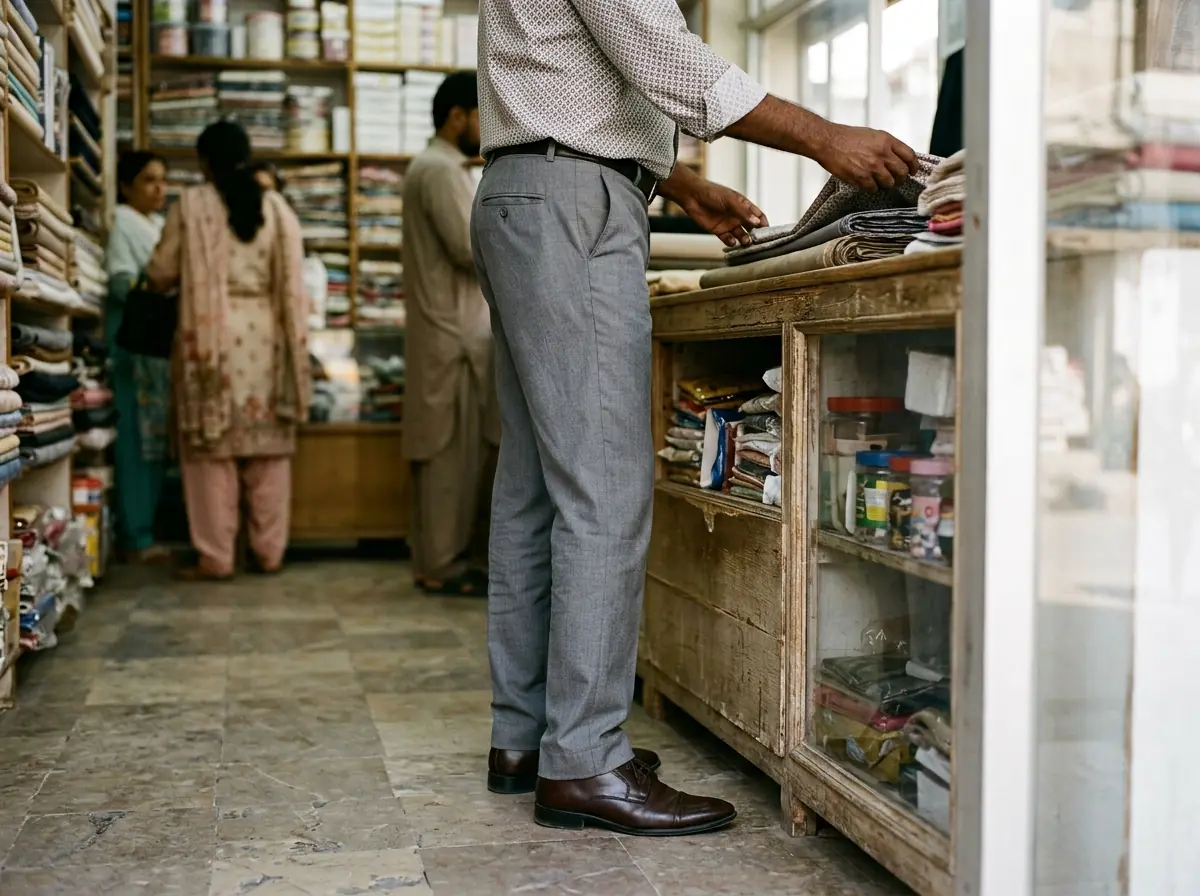
Returning to work with an artificial leg
An amputation in a household's earner is a financial emergency as well as a medical one. Getting back to work is often the real goal behind every other question. Most people do return. How soon, and to what, depends on the level and on the job.
Can you work with an artificial leg?
Yes. Most people of working age return to employment after an amputation. Below knee users commonly go back three to four months after surgery, often to the same job. Above knee users usually need five to eight months and may need lighter duties at first. Desk work is possible earliest. Heavy lifting, ladders and long hours of standing need the most adjustment.
A realistic return to work timeline
| Kind of work | Below knee | Above knee |
|---|---|---|
| Desk, computer, call centre, teaching seated | 8 to 12 weeks, sometimes before the leg, on crutches | 10 to 16 weeks |
| Shop counter, teaching standing, supervision | 3 to 4 months | 5 to 7 months |
| Driving a car or van | 3 to 5 months, depending on side and gearbox | 6 months and more, usually with an automatic or hand controls |
| Light manual work, machine operation, tailoring | 4 to 5 months | 6 to 8 months |
| Heavy manual work, lifting, construction | 5 to 6 months, often with changed duties | Often a change of role is needed |
These assume uncomplicated healing. Diabetes and vascular disease add time. Start with half days if your employer allows.
What each kind of work asks of the leg
Standing all day
Shift your weight, do not lock onto the good leg. Ask for a high stool. A shock absorbing foot and a sweat managing liner earn their cost here.
Sitting all day
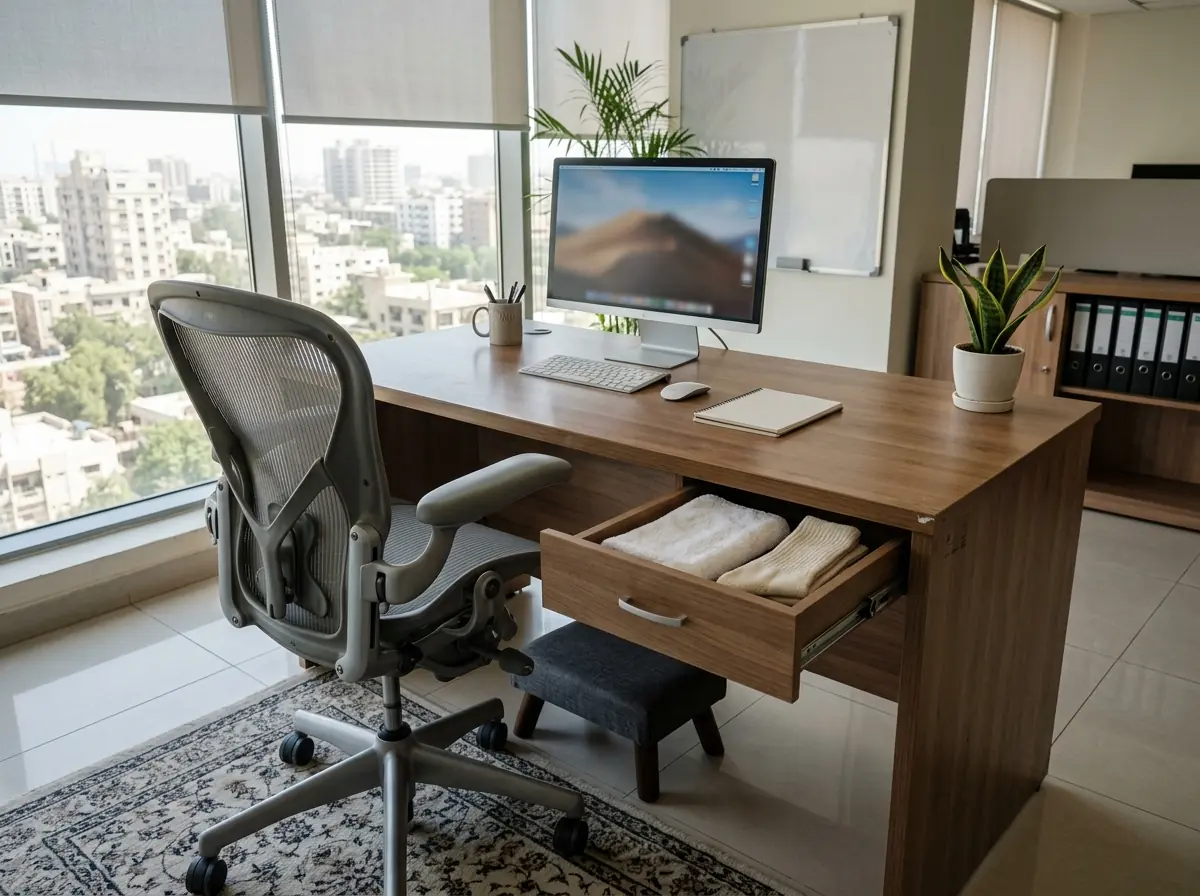
The back of a below knee socket presses behind the knee. Stand and walk for two minutes every hour, and straighten the knee under the desk.
Lifting and carrying
The leg is rated for your body weight plus load. Tell us what you lift so stronger adapters and the right foot stiffness are used.
Driving for a living
Side and gearbox decide it. Left below knee with an automatic is simplest. Otherwise, vehicle adaptations and licence conditions need checking.
What to ask your employer for
Most employers want a good worker back and simply do not know what is needed. Small, inexpensive changes make the difference. Ask plainly.
- A phased return: half days for the first two to four weeks
- A place to sit for a few minutes each hour if the job is standing, or to stand if it is sitting
- Access to a toilet with a commode seat. Squat toilets are very difficult with a prosthesis, and nearly impossible above the knee.
- A private place to take the leg off, dry the stump and add a sock at midday
- Ground floor or lift access where possible in the first months
- Time off for clinic visits in the first year, when the socket will need changing
- Temporary relief from ladders, heights, heavy lifting and wet floors
We can write a short letter to your employer describing what you can do, what to avoid for now, and for how long.
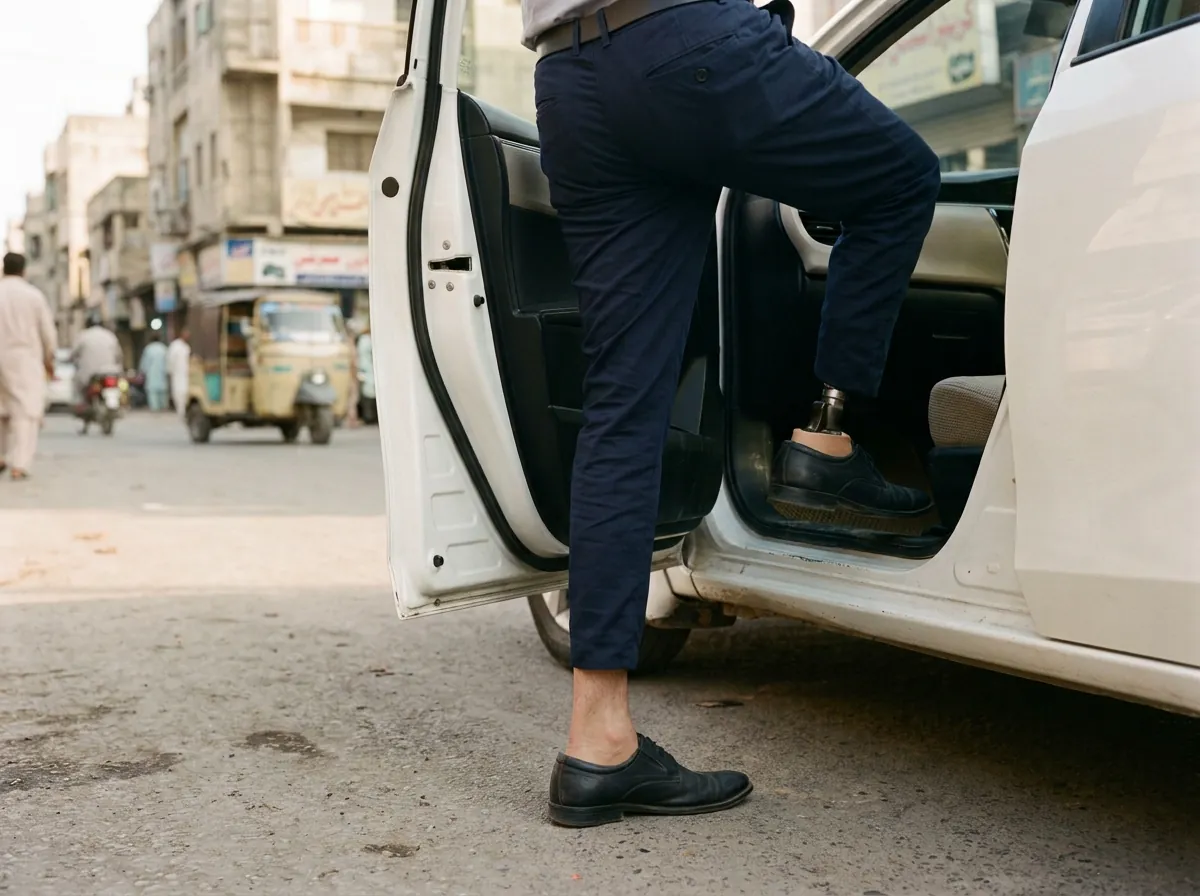
Getting there is half the job
In Karachi the journey is often harder than the work. Plan it as carefully as the job itself.
Bus and chingchi
High steps, sudden starts and standing room only. Travel slightly outside peak hours if your employer allows. Good leg up first, and sit near the door.
Motorcycle
Realistic for many below knee riders after training. See our motorcycle guide for each side and level.
Car and ride hailing
The easiest, and the dearest. Some families find that the fare for the first two months is worth paying to secure the job, then move to cheaper transport as confidence grows.
Walking
Build distance gradually. A kilometre on broken footpaths in June is a real test of a socket and a liner. Carry a spare sock and water.
When you cannot return to the same work
Some work is not safe on a prosthesis: scaffolding, roofing, climbing poles, heavy loading, work in standing water. Accepting that early saves months of frustration.
Many employers can move a skilled man to supervision, stores, quality checking, dispatch or training of juniors, where his knowledge is worth more than his lifting. Ask before you assume the answer is no.
Pakistan has employment quotas and concessions for persons with disabilities, reached through a disability certificate and the corresponding national identity card. The provincial social welfare department handles the certificate. We can supply the medical description of your amputation that the assessment board asks for.
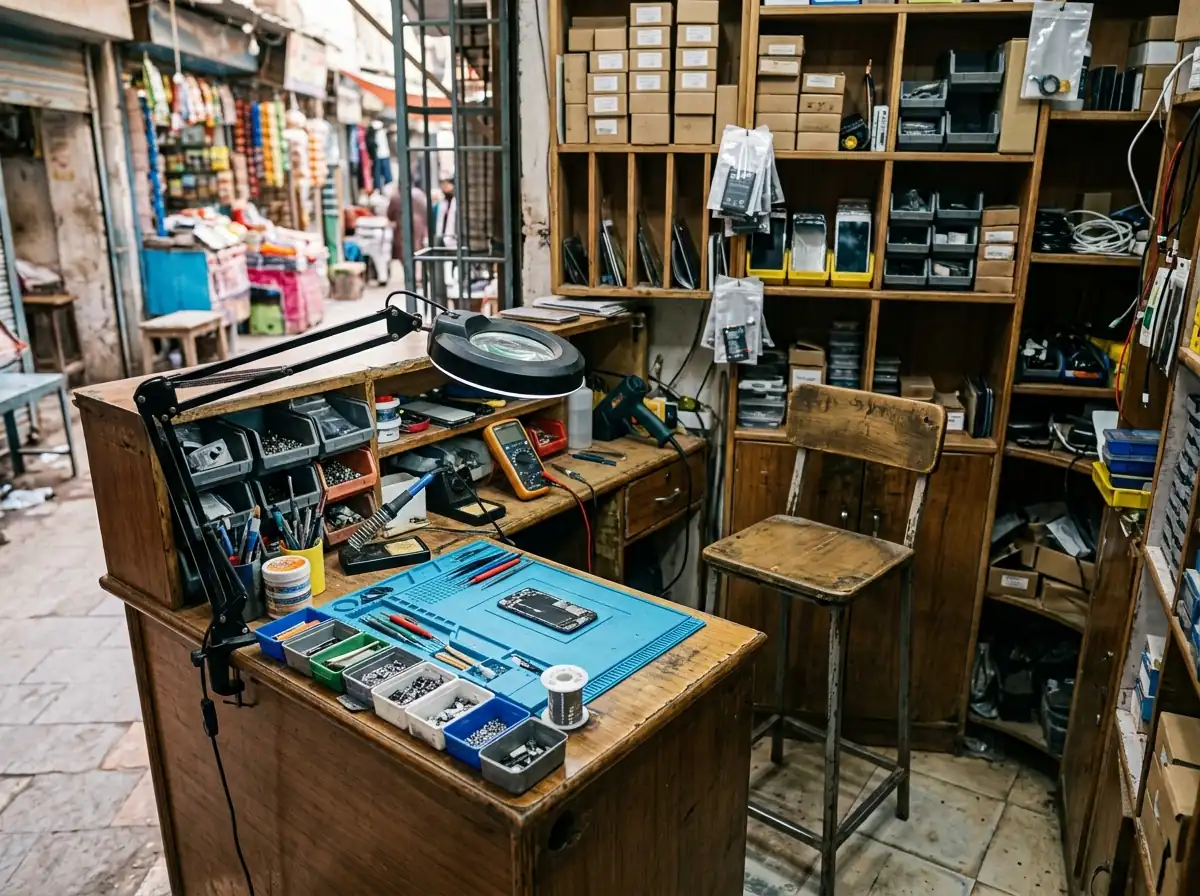
Skills that suit a seated or mixed posture, such as tailoring, mobile phone repair, computer work, driving an automatic vehicle, or running a small shop, have carried many of our patients into steady incomes.
Should I tell my employer about the prosthesis?
If you need any adjustment, yes, and it is better said plainly. Most colleagues take their lead from you: if you are matter of fact about it, so are they.
Can I return to work before I get my leg?
For seated work, often yes, on crutches, once the wound has healed and you are off strong painkillers. It keeps your job warm and your mind occupied. Keep the stump bandaged and supported straight under the desk.
My stump is sore by the end of every shift. Is that normal?
Mild tiredness is. Soreness at a particular spot, or skin marks that last, mean the socket needs attention or the stump has changed size. Add a sock in the afternoon, and come in for a check.
Can I wear safety boots?
Yes. Bring them to the fitting, because the foot is aligned to their heel height. Tell us before the foot is ordered, as the foot shell size must suit the boot.
Will the leg survive a dusty or oily workplace?
Choose simple parts with few moving joints, ask for a protective cover, and have it serviced every six months instead of yearly. Keep an older leg as a spare if you have one.
Start with a free assessment
Tell us the amputation level and the city. We reply with honest guidance and a price range, on the phone or on WhatsApp, at any hour.
- Answered on WhatsApp, 24/7
- First assessment free, no obligation
- Nothing is stored on this website